The Last Four Blocks

Capes vs Cloaks Lite A first caper 2 to 5 heroes, one evening
An occupied building wired to come down, a demolition crew that vanished overnight, and a trigger nobody at the site controls. Three scenes from the first alarm to the man holding the switch, with no reading required beyond this page. Print it, put the pre-gens on the table, and start.

A Night of It The rhythm the three scenes follow

  1. The hook, twenty minutes. Open in the middle of something already going wrong, with a clock on it. Don't brief the heroes; drop them in and let them start asking the questions. The Alarm below is built this way.
  2. The caper, forty minutes. Getting in, finding out, talking round. Roll under whichever stat fits. This is where Blink, Disguise, Telepathy and the Utility Belt earn their place, and where nobody should be rolling initiative.
  3. The confrontation, an hour. One fight that matters, against a villain who wants something specific. End when the objective is secured, on the capture, or on the villain getting away with exactly one thing.

Three scenes is a session. Four is a long one. If you run two fights in a night, make the first one henchmen and keep it under three rounds.

How Much Is Enough Measured, not guessed

Every row is two thousand simulated fights against quick-start heroes (60/50/40/40), run through the same engine the game is balanced with. Percentages are how often the heroes win.

HeroesAgainstWinRds
2 heroesThe Chairman (Level 2) + 1 henchman48%8
3 heroesThe Chairman (Level 2) + 5 henchmen55%9
4 heroesThe Chairman (Level 2) + 10 henchmen44%10
5 heroesThe Chairman (Level 2) + 14 henchmen53%10

1. The Alarm 20 minutes

A team gets the call: an occupied building downtown is wired to come down, and the demolition manager is the one who phoned it in, shaking. His charges are somewhere in the structure, he says, but he cannot tell anyone where. His crew stopped answering last night and never showed this morning. Someone rigged his job, the trigger is not his, and the families upstairs have no idea.

  • Do not hand them the plot. Drop them into the lobby with the clock running and let them start asking the questions. Roll under whichever stat fits: Reflex to get past the site fence, Combat to lean on the panicking foreman, Will to keep a frightened tenant talking. Obvious questions need no roll.
  • The charges are hidden and the crew is gone, so nobody is cutting wires tonight. Every thread the heroes pull runs the same way: across town, toward the docks.
What they can turn up
  • Graffiti in the stairwell. A tag the heroes may recognize, the calling card of a thug who runs errands for the Chairman.
  • The lobby cameras. Several faces that turn up wherever the Chairman is quietly working. Known henchmen, no warrants.
  • A neighbor across the street. Saw masked people in hard hats carrying cases in late last night, hours after the real crew had clocked out.
  • The trigger’s radio. Wrapped in serious encryption, the kind that takes real money and a real specialist to buy.
  • A van with no plates. Caught on a traffic camera at dawn, headed for the docks and not coming back.

Getting out: The van and the faces point the same way. Everything the heroes turn up leads to a disused dockside warehouse. That is scene two.

2. The Warehouse 40 minutes, usually no initiative

The warehouse sits on a finger pier the port gave up on years ago. The plateless van is in the loading bay, the lights are on inside, and the same masked hard-hats are moving crates that plainly do not hold tools.

  • Play this as a caper. Nobody should be rolling initiative yet. Roll under whichever stat fits: Reflex across the roofline, Disguise to walk in wearing the missing crew’s faces, Telepathy to read which crate matters. Easy stunts need no roll.
  • Blink, Disguise, Telepathy and the Utility Belt should each open a door here. If a player has one of them and never gets to use it, that is the scene’s fault.
  • What the heroes need is inside: the crew’s charge map, marking every charge in the building, and word that the man with the trigger is coming here tonight to fire the shot himself. A skeleton guard of one or two henchmen walks the floor. Lift the map quietly and scene three happens on the heroes’ terms. If the guards spot them, start initiative against the skeleton guard. A quick fight or a caper stunt can still secure the clues; if the guards raise the alarm, the Chairman arrives ready for trouble, so the heroes lose the chance to prepare an ambush.

Getting out: They leave with the charge map, the trigger’s frequency, or only the knowledge that the Chairman is on his way. Any one of the three is enough to set up the confrontation.

3. The Man with the Trigger 1 hour

He comes to fire the shot himself, because the trigger cost too much to trust to anyone else. The Chairman walks in with his crew and the encrypted trigger in a locked case, carrying the same calm certainty that all of this is perfectly legal. Across town the building is still full of people, and the countdown is his to start.

  • Size the fight from the sizing table above: match his crew to the party. Three heroes want the Chairman and five henchmen for an even finish, and a bigger table wants a bigger escort.
  • He talks the whole time. He has numbers, and the numbers are correct, which is exactly what makes him worth stopping.
  • The case is the objective. For this caper, opening it takes the Chairman’s action. Once open, the trigger starts a three-round countdown; at the end, the charges fire and the block comes down. Before it opens, a hero next to him can spend an action to take the locked case with a Reflex or Combat roll; a clever caper stunt using the stat that fits can disable the trigger instead. A hero who found the trigger frequency gets advantage on that disable attempt. The charge map lets the heroes direct the trapped crew or emergency responders to the charges, so securing the case prevents the collapse rather than merely stopping the Chairman. Swing at nothing else and you may win the round and lose the block.

Getting out: Take or disable the trigger before the countdown ends and the mission succeeds. If the Chairman is incapacitated, restraining him is still the rules-defined capture. Let him open the case and the block comes down; let him escape with the trigger and he files an appeal, which is worse.

The Villain One boss, built like any hero

One villain the party wants to catch, plus henchmen to slow them down, carries a whole campaign. Here is the game's: the same 190-point buy as a hero, the same two powers, plus Levels. Print him from the corner of the card. Build your own the same way, then run the Fight Sim to see where he lands before the table does.

The Chairman

Cloak · Level 2
Aurelio Vance Vance Holdings, eleventh floor
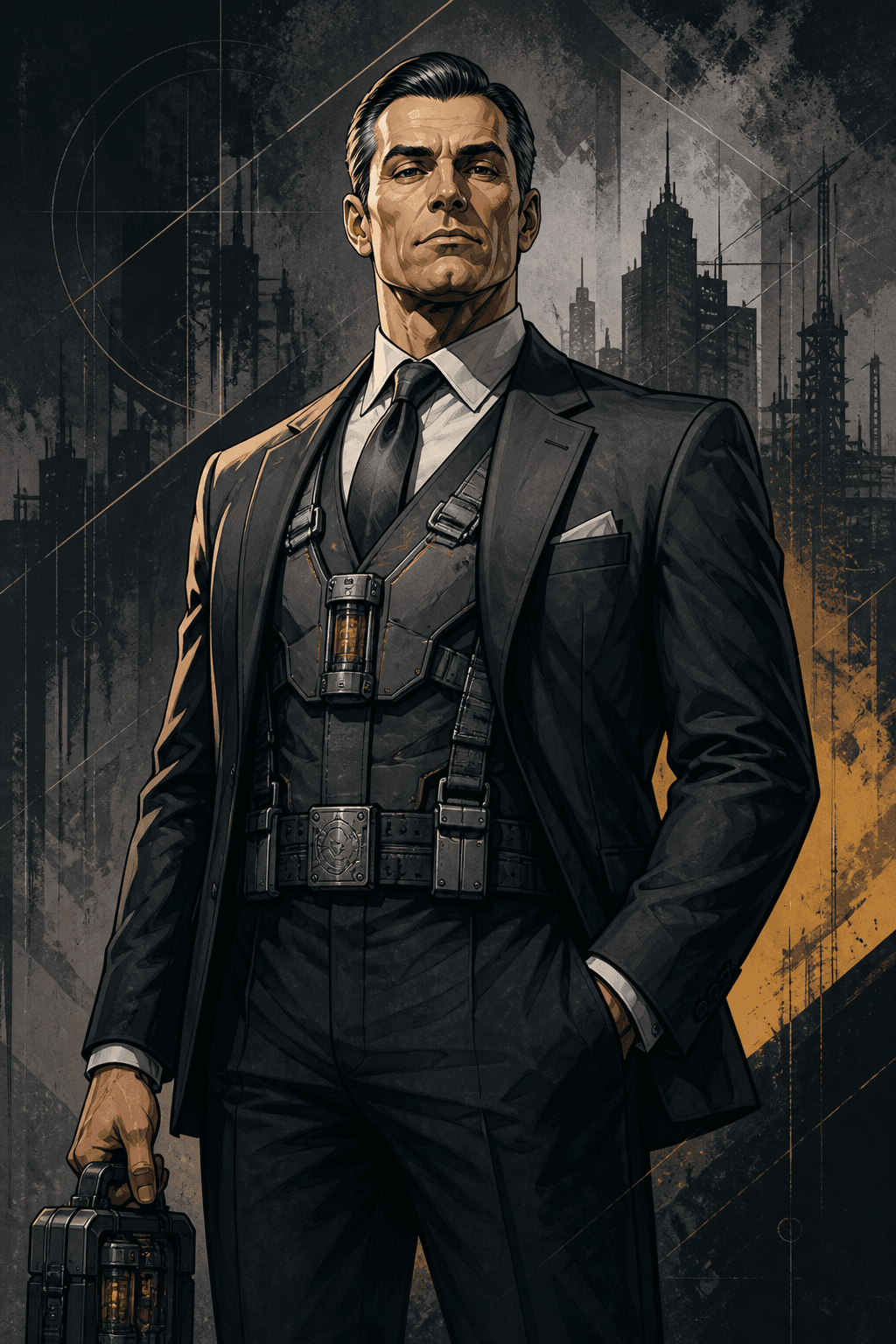
The Chairman cover art

He has never thrown a punch he could sign for instead. Cause: a skyline with his name on it, and a city that will thank him in thirty years.

Scheme: Level the last four blocks that still pay rent, on schedule, with the permits already filed.

60
Combat
60
Brawn
35
Reflex
35
Will
HP 65
Energy 40
  • Blast: a shoulder-mounted demolition charge, 50 ft, 2d8+2, 3 Energy.
  • Force Field: 10-point buffer, 4 Energy.
  • Invulnerability: shrug off 2 per hit, always on.
Immovable (natural Brawn 60)Level 2 · Immovable · the wall the caper ends at
Tactics: He does not chase and he does not flee. Raise the field on round one, stand between the heroes and the detonator, and let them spend Energy on a wall. He can’t Roll With the Punch, so count his HP honestly, and remember Phantasm goes straight past both his defences. Alone he beats two heroes and loses to four; his escort decides the fight more than his stats do.

Henchman

×3 per hero
The generic goon: pipe, pistol, or fist
40
Combat
30
Reflex
30
HP
1d6
Damage
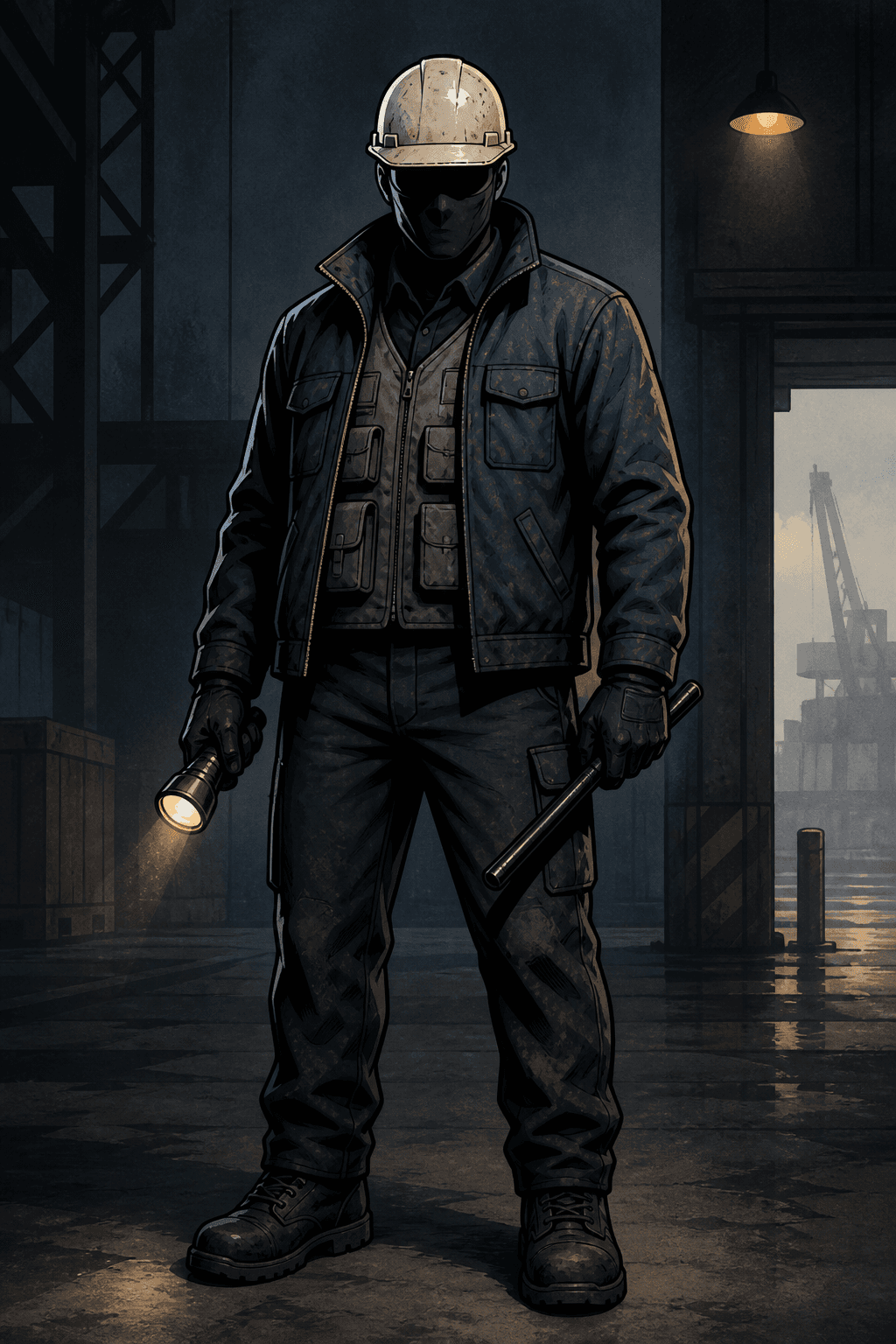
Masked generic henchman in a hard hat
Tactics: One move only: they attack for 1d6, melee or ranged, and the weapon is just flavor. No powers, no Energy. A single henchman is a speed bump; the threat is the count, because each one adds another 1d6 a round and another body the heroes have to spend an action to drop. Heroes hit them without rolling (Reflex 30 is a sitting duck), so a crowd still plays fast. Run them three to a hero, and pair them with the Chairman so the party cannot spend every action on him.

The Twist Spend it when the fight stalls

The crew did not walk off the job. They are in the warehouse back office, zip-tied and paid half in advance, because the Chairman needs the only people who know where the charges sit to be unreachable when the block comes down. Free them and the heroes get the charge map for nothing. Leave them and they are one more thing standing in the blast radius.

If They Lose Nobody dies. Something still breaks

At 0 HP a hero is out of the fight, and nobody dies here unless a player chooses it. If the party retreats, the Chairman opens the case and the block comes down: the ground floor cleared, a headline that puts the heroes at the scene. If the party loses the warehouse or the Chairman escapes with the trigger, he reaches the same ending unless the heroes stop him during the confrontation. If the party goes down, use that ending immediately. Everyone is homeless, the Chairman is on television being gracious, and the next session writes itself. Losing this one makes a better story than winning it clean, so do not fudge the dice to save it.